
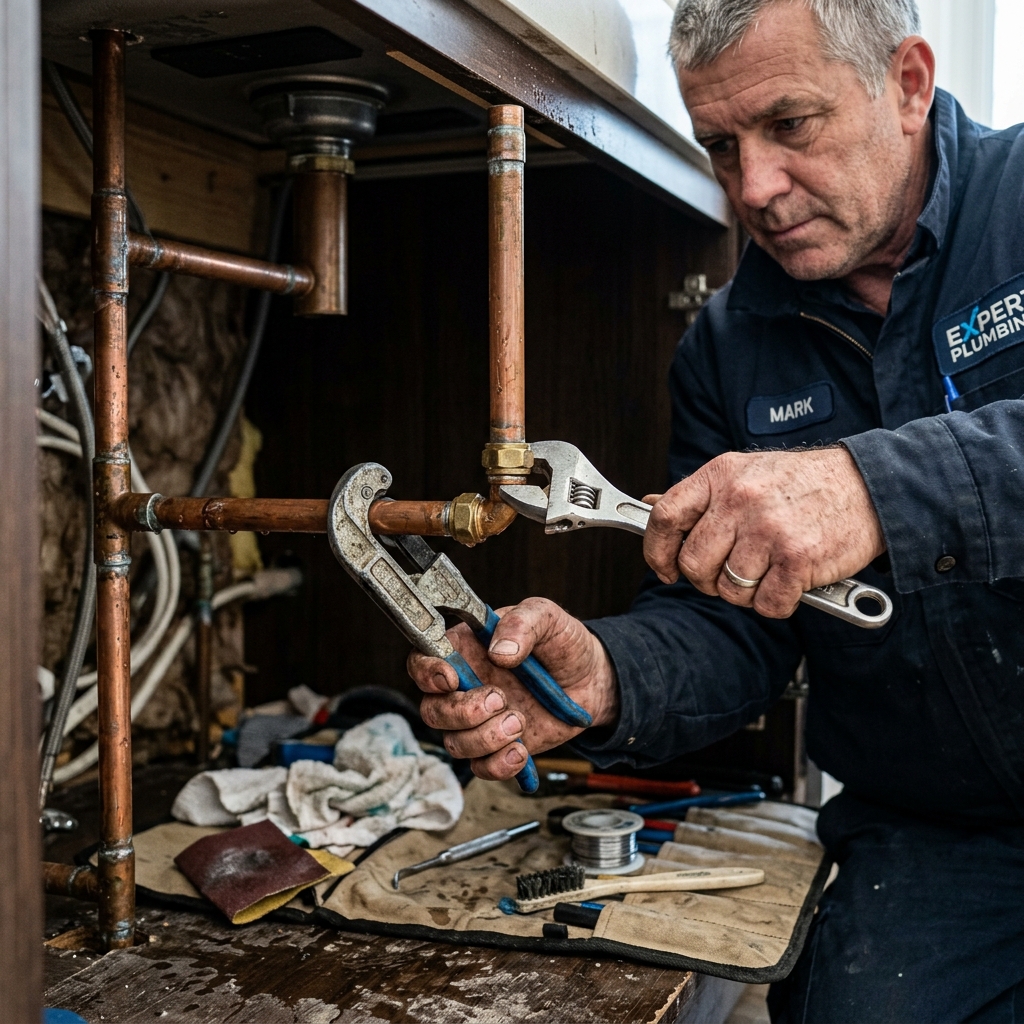
Why Overhead Rerouting Beats Breaking Concrete Slabs
For decades, standard plumbing practice for repairing a broken pipe beneath a foundation was direct excavation: bringing in jackhammers, cutting through existing concrete floors, digging out contaminated soil, and soldering an isolated patch on the old pipe. Today, modern plumbing engineering offers a vastly superior, cleaner, and more permanent alternative: a professional slab leak reroute Boca Raton homeowners increasingly choose.
When you bypass slab leak Boca Raton lines by routing new lines through interior walls or attic cavities, the compromised copper line beneath the slab is permanently decommissioned. Capping the failing line at both ends completely isolates it from the water supply, meaning it will never leak again. Best of all, your structural concrete foundation remains unbroken, protecting costly porcelain tile, custom hardwood, or terrazzo flooring installations from destructive excavation.
Protect Your Luxury Flooring
Learn how an overhead pipe bypass keeps your concrete slab completely intact.
How a Sub-Slab Pipe Reroute is Engineered
The process to re-route water line Boca Raton homes require begins after non-invasive slab leak detection isolates which specific hot or cold line has failed. Our technical team then executes a methodical installation process:
1. Pathway Planning and Wall Access
Technicians map the most efficient, non-invasive route from your water source (such as the main water manifold or hot water heater) to the targeted fixture group (such as a master bathroom, kitchen island, or laundry room). Strategic small openings (typically 6-inch by 6-inch drywall cuts) are made in concealed areas such as behind baseboards, inside vanity cabinets, or behind closet doors.
2. Routing New Piping Through Walls or Attic
High-grade flexible cross-linked polyethylene (PEX-a) piping is fed through wall studs and across ceiling joists. For homes where ceiling access is available, technicians reroute pipes through attic Boca Raton spaces. PEX-a provides incredible durability, high pressure ratings, and continuous runs without underground joints, eliminating mechanical failure points.
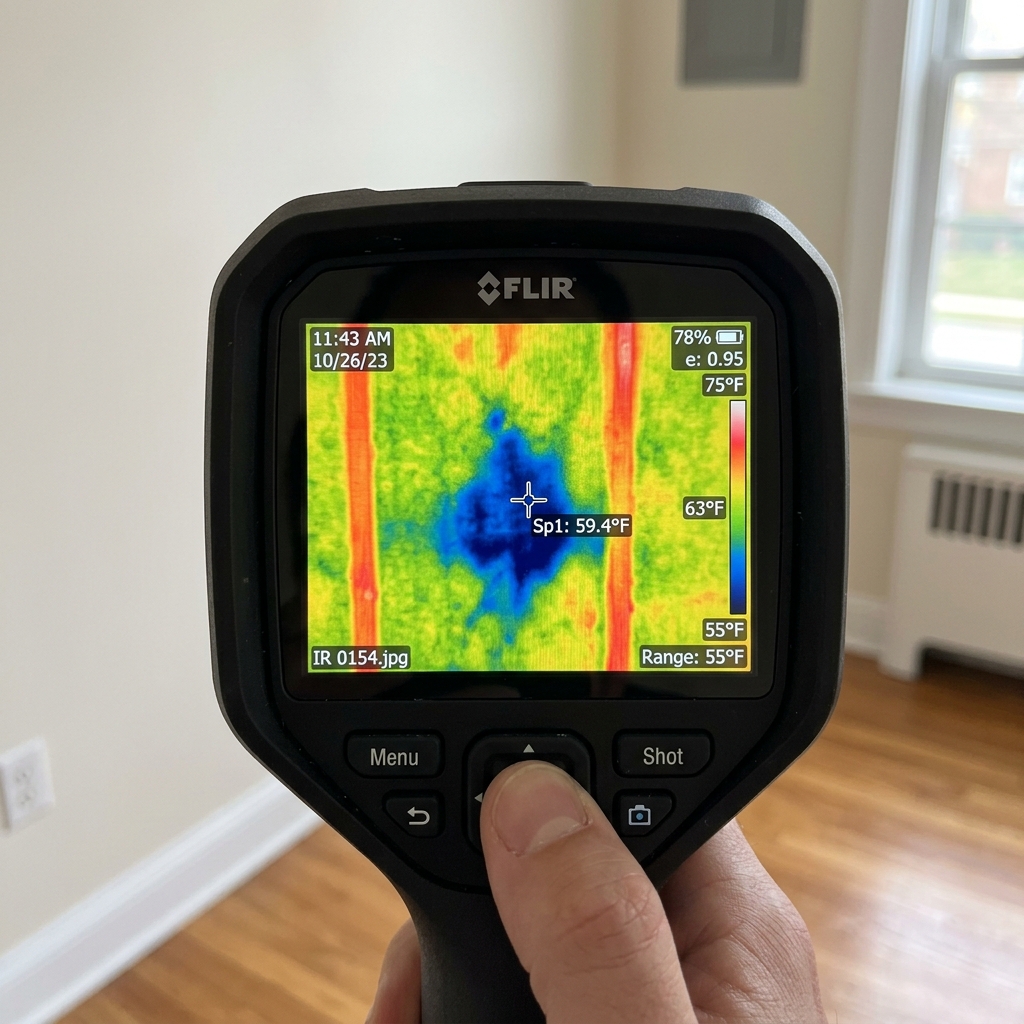
3. Protecting Attic Piping from South Florida Heat
In Palm Beach County, attic temperatures can easily reach 130 degrees during summer months. When routing water lines through the attic space, professional installation requires specialized thermal protection. All domestic cold and hot water lines are insulated with heavy-wall closed-cell polyethylene foam insulation to prevent attic heat from warming cold drinking water and to prevent thermal energy loss on hot water runs.
4. Capping the Sub-Slab Line and System Commissioning
Once the overhead bypass is connected to the fixtures, the old line beneath the concrete is blown clear of residual water and capped permanently above the slab with brass or soldered copper caps. The new piping system undergoes a stringent pressure holding test at 100 PSI before being tied into municipal pressure.
Project Duration, Drywall Access, and Patching
A standard single-line or hot-side overhead reroute typically takes between one and two working days to complete. Water service is usually restored the very same day, minimizing disruption to your household routine.
Drywall cuts required for piping access are kept strictly to the minimum necessary size. Clean, square incisions are cut so that standard drywall patching and texturing can restore interior walls seamlessly. In contrast to concrete jackhammering—which produces heavy airborne silica dust and requires concrete cure times—drywall restoration is rapid, contained, and clean.
Considering a Pipe Reroute in Boca Raton?
Consult with our foundation plumbing specialists to review your property layout.
Building Permits and Florida Plumbing Code Compliance
All plumbing reroutes in the City of Boca Raton and unincorporated Palm Beach County must adhere strictly to the Florida Building Code (Plumbing Volume). Installing new domestic water supply lines requires proper plumbing permits and independent municipal inspections. Our licensed plumbing contractors prepare all necessary isometric schematics, submit permit applications, and coordinate final inspections with local building officials, ensuring your home's official property records remain clean and fully code-compliant.
When Does Whole-House Repiping Make More Sense?
While an isolated single-line reroute is the ideal solution for an otherwise healthy plumbing system experiencing its first leak, homes that have suffered multiple pinholes across several years may have widespread copper degradation. In those cases, continually performing isolated reroutes can cost more in the long run than executing a coordinated whole-house repiping. During your on-site assessment, our technicians evaluate the age and condition of your overall plumbing system to help you make the most cost-effective decision.
Frequently Asked Questions About Slab Leak Rerouting
Why is a reroute better than digging under the slab?
A reroute avoids jackhammering through finished floors, preserves foundation structural integrity, eliminates dust contamination, and abandons the old corroding pipe entirely so it can never leak again.
Will cold water from an attic reroute come out hot in the summer?
Professional reroutes use heavy closed-cell foam insulation on all attic water runs, keeping cold water lines protected from attic heat build-up.
How does an overhead reroute affect homeowners insurance?
Many Florida property insurance policies provide coverage for accessing and rerouting leaking lines when documented by a licensed plumber. Review our slab leak insurance assistance guide for details.
Explore our primary slab leak repair Boca Raton services, learn more about hot water line failures, or check our Boca Raton service area coverage.