
The Hidden Deterioration of Under-Slab Cast Iron Drains
Many classic residential communities in Boca Raton built prior to 1975 feature horizontal sanitary sewer drainage systems constructed entirely of heavy cast iron pipe. While cast iron served as the industry benchmark for decades, its operational lifespan in South Florida rarely exceeds 40 to 50 years. Professional cast iron pipe replacement Boca Raton homeowners require addresses severe bottom-channel rot, heavy interior scaling, and complete pipe collapse buried directly under concrete slab foundations.
Unlike pressurized copper supply lines that spray clean potable water under high pressure, a failing cast iron drain under slab Boca Raton property releases raw sewage, bacteria, and corrosive wastewater into the sub-base soil beneath the home. Over time, wastewater washes away compacted sandy subsoil, forming hollow cavities beneath the structural concrete slab that lead to foundation cracking and catastrophic floor collapse.
Experiencing Slow Drains or Sewer Smells?
Schedule a high-definition fiber-optic sewer camera inspection under your slab.
How Drain Leaks Differ From Supply-Line Slab Leaks
It is vital for property owners to understand the mechanical difference between a supply line slab leak and an under-slab sanitary sewer failure:
- Supply Line Slab Leaks: Supply lines operate under constant municipal water pressure (typically 50 to 80 PSI). When they fail, water flows continuously 24 hours a day, causing water meters to spin, hot floor spots, or rushing water sounds.
- Sanitary Drain Leaks: A sewer line under slab Boca Raton network operates under gravity without pressure. When wastewater drains from toilets, sinks, and showers, it leaks into the soil through cracks and rotted pipe bottoms. Consequently, water meters will NOT spin, but you may notice persistent sewer odors, recurring toilet backups, pest infestations (drain flies or roaches), or sinking floor sections.
Warning Signs of Failing Cast Iron Drain Lines
If your Boca Raton property was constructed between 1955 and 1980, watch for these distinct warning signs of cast iron decomposition:
- Chronic, Multi-Fixture Backups: Multiple toilets gurgling, bathtubs backing up simultaneously, or showers draining sluggishly despite frequent snaking.
- Foul Hydrogen Sulfide Sewer Odors: Unpleasant sewer gas odors wafting through bathrooms, hallways, or laundry rooms, caused by cracks in buried vents and drain lines.
- Foundation Subsidence and Floor Cracks: Cracked floor tiles, hollow-sounding floor areas when tapped, or depressed concrete slabs caused by wastewater washing away sandy sub-slab fill.
- Sudden Insect Infiltration: Drain flies, palmetto bugs, or cockroaches emerging into living spaces from underneath cracked floor perimeters or plumbing penetrations.
Diagnostic Camera Inspections and Hydrostatic Testing
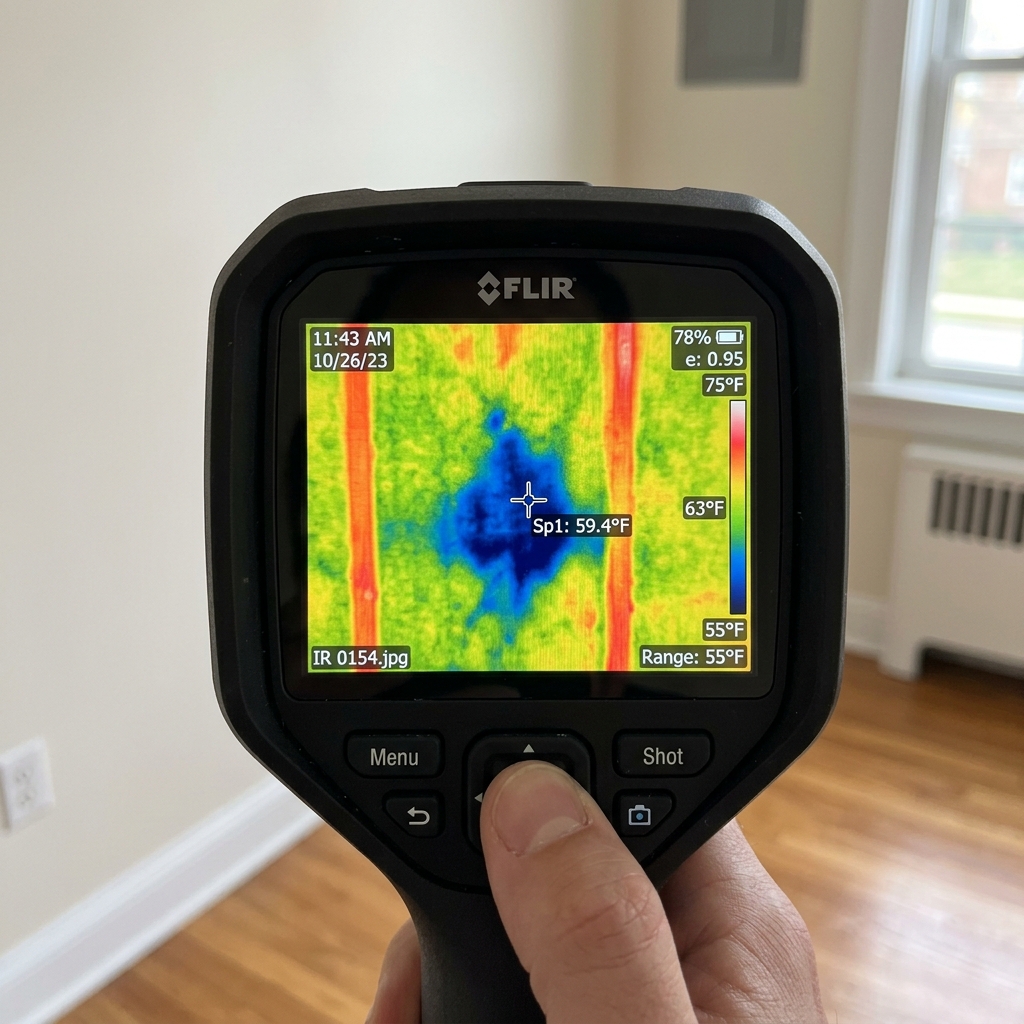
Evaluating an under-slab sewer line begins with an advanced fiber-optic video camera inspection. A high-resolution camera head with self-leveling optics and built-in 512 Hz radio sondes travels through the interior drainage network. The live color monitor reveals:
- Channeling: Acidic wastewater wearing away the bottom third of the iron pipe, allowing sewage to drain directly into sandy soil.
- Tuberculation and Scaling: Heavy jagged iron oxide rust deposits that snag toilet paper and solids, causing frequent blockages.
- Root Intrusion and Fractures: Aggressive tree root masses penetrating hairline cracks in search of moisture.
To confirm active breaches beneath the concrete, plumbers perform hydrostatic pressure testing using inflatable test balls. The drainage system is filled with water to slab level; a falling water column confirms subsurface leaking.
Replacement Methods: Tunneling vs. Trenching vs. Lining
When rehabilitating or replacing cast iron drain lines under a concrete slab, homeowners have three distinct engineering options:
1. Sub-Slab Tunneling (Recommended for Finished Living Spaces)
Sub-slab tunneling excavates a clean access tunnel beneath the concrete foundation from outside the home's exterior perimeter. Experienced crews hand-excavate beneath the slab along the drainage path. Technicians hang and secure new Schedule-40 PVC drainage lines with heavy-duty structural hangers, connect all vertical plumbing drops, and pack the tunnel with compacted fill. This preserves 100% of your indoor flooring, furniture, and cabinetry without opening the slab inside your home.
2. Interior Floor Trenching
In homes undergoing extensive interior remodels, plumbers saw-cut through the concrete slab along the sewer line route inside the home. The old iron is extracted, new PVC is laid with proper slope, and fresh concrete is poured. This method is cost-effective if flooring is already scheduled for demolition.
3. CIPP Cast Iron Pipe Lining Boca Raton (Trenchless Epoxy)
For cast iron lines that retain structural roundness without severe missing sections, cured-in-place pipe (CIPP) lining offers a non-invasive option. After mechanical chain-knocking cleans away rust and scale, an epoxy-saturated felt tube is pulled through the iron pipe and inflated. The resin cures into a rock-hard, seamless structural sleeve that seals cracks and lasts decades.
Protect Your Home's Foundation
Call our Boca Raton drainage specialists to schedule an under-slab camera evaluation.
Florida Insurance and Real Estate Implications
Aging cast iron plumbing has become a critical focal point in South Florida real estate transactions. Many property insurers refuse policies or demand mandatory cast iron exclusions. In addition, water damage resulting from broken under-slab cast iron drains requires specific documentation for claims. Our team provides comprehensive photographic evidence, camera recordings, and written engineering reports that clearly substantiate property conditions.
Frequently Asked Questions About Cast Iron Pipe Replacement
How long do cast iron pipes last under a Florida slab?
In South Florida's coastal sandy soil and humid climate, cast iron drainage pipes typically last 40 to 50 years before bottom-channel erosion and severe scaling develop.
Does sub-slab tunneling compromise the home's foundation?
No. Professional tunneling companies follow strict engineering protocols, excavating controlled access trenches beneath grade beams and backfilling with compacted soil or slurry upon completion.
Will snaking my drains fix cast iron problems?
Snaking only temporarily punches through blockages. If the pipe has channeled out on the bottom or has jagged rust scaling, snaking will actually snag and can even accelerate pipe collapse.
Explore our complete slab leak repair Boca Raton services, learn about above-ground whole-house repiping, or review our local Boca Raton service coverage.